A natural history of Glanzmann’s
Glanzmann Thrombasthenia affects around 2 in a million people. Its rarity is a big part of the reason why it isn’t well understood – but understanding its impact is essential for supporting developments in treatment and care.
Haemnet was commissioned by Hemab Therapeutics to undertake a mixed methods natural history study to gain a greater understanding of how Glanzmann Thrombasthenia impacts those who live with it and their families.
The Glanzmann’s 360 (GT360) natural history study incorporated quantitative and qualitative approaches, including:
- A quantitative, population-based survey to gain a snapshot of the impact of Glanzmann Thrombasthenia
- Qualitative interviews with experienced researchers to enable deeper exploration of survey findings
- Detailed data collection on bleeds and their impact via a prospective 30-day symptom diary.
GT360 was the largest study of its kind to date in Glanzmann Thrombasthenia.
Over 100 people with Glanzmann’s and carers of children and young people with Glanzmann’s completed the survey, and 18 completed a bleed diary. Fourteen people with Glanzmann’s and five caregivers shared their personal stories.
Study results revealed that bleeding in Glanzmann Thrombasthenia is more frequent than originally thought. The frequency of bleeds had significant physical, psychosocial and quality of life impacts, with women disproportionately affected.
These insights highlighted a need for improved medical management and psychological support to deal with the challenges faced by people living with Glanzmann’s.
Study results have been widely disseminated through:
- Presentation of study findings at international conferences
- Two publications in peer-reviewed journals
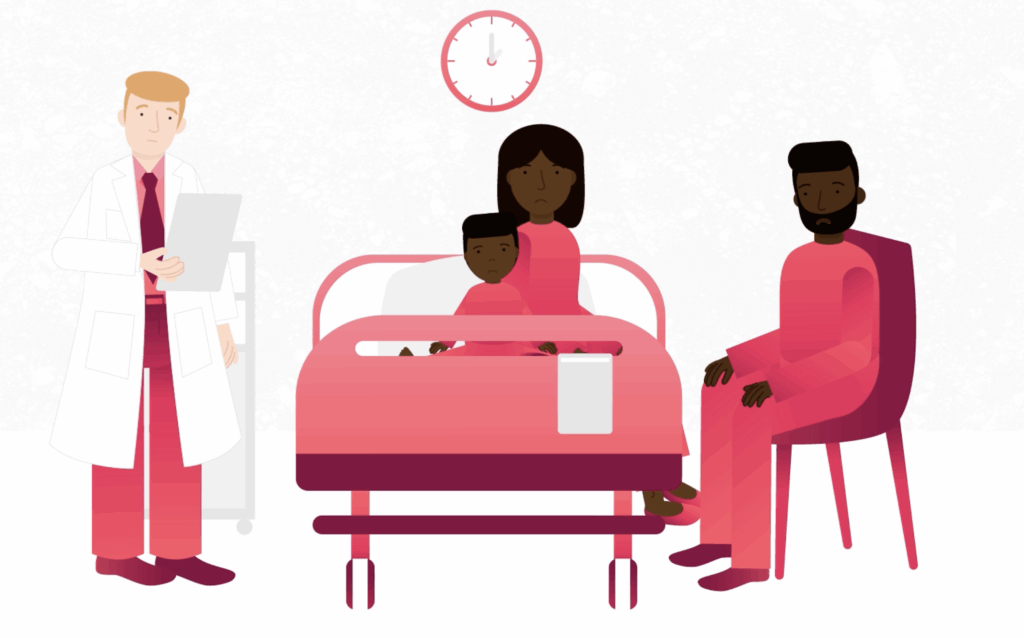
- An animation scripted from participants’ real life stories
- Blogs and social media activity