Exercising safely with Project GYM
When a person with haemophilia told the Haemnet team they couldn’t go to the gym because of their condition, we saw the importance of showing that physical activity is beneficial in haemophilia.
Supported by a research grant from Pfizer, Project GYM explored ways to support and encourage young men with haemophilia to undertake safe gym-based exercise — and developed some helpful online resources.
Multifaceted methodology
Project GYM participants were 19 young men with severe, moderate or mild haemophilia, aged between 18 and 25 years, living in London. Two personal trainers (PTs) were also involved.
As well as ensuring the collection of robust data, our methodology was designed to help overcome potential barriers to participants feeling able to exercise.
Led by a research team including specialist haemophilia physiotherapists, Project GYM began with specially developed educational sessions. Separate curricula targeted specifically at people with haemophilia who want to exercise and at PTs working with them.
All study participants were given an activity tracker. To help mitigate potential environmental or personal barriers to exercise, they were also given six months paid gym membership at a central London gym. They were then assigned to one of two groups:
- 9 worked with a PT of their choice, following a 12-week bespoke exercise programme, and were encouraged to attend the gym as often as they wanted in addition.
- 10 were encouraged to undertake self-directed gym activity after an induction.
Both groups were encouraged to continue with their exercise programmes for a further 12 weeks following the initial study period.
Validated questionnaires were completed by participants before and after their exercise programmes to evaluate any change in their motivation to exercise, actual physical activity, quality of life and self-esteem. Qualitative interviews enabled further exploration of participants’ thoughts, experiences and motivations around physical activity.
Positive results and helpful resources
I feel happier and more confident in general – it’s made me really happy… it has really changed me. I’m going to be a different person because of this.”
(Project GYM participant, aged 21)
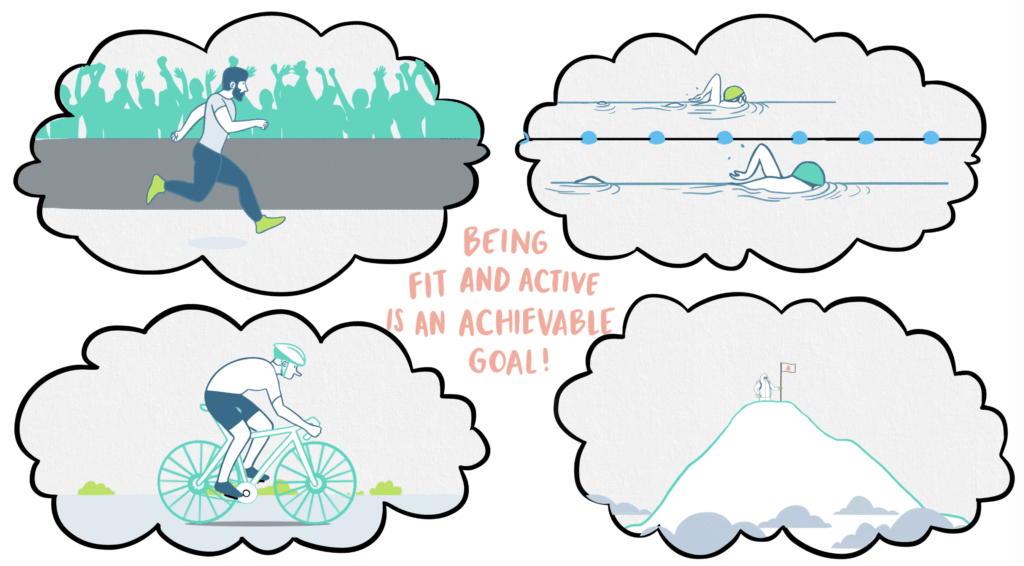
The study results showed an overall positive shift in participants’ motivation and confidence to undertake physical exercise, and in their self-esteem. In particular, Project GYM showed that it is possible for young men with haemophilia to pursue and meet their fitness goals in the gym safely. No bleeding episodes were associated with gym activity during the study period, and three participants saw their joint health scores improve.
The involvement of specialist physiotherapists and PTs in Project GYM sparked the creation of online resources providing guidance to people with haemophilia and other bleeding disorders on exercising safely – and for trainers who may work with them. These include:
- Keeping Fit and Staying Active – Expert tips and guidance from personal trainer Trisha White, providing an educational resource about exercising with haemophilia
- Animated educational videos on exercising with haemophilia
Beyond this, findings from the study programme have been shared widely:
- Publications in peer-reviewed journals
- Posters at international conferences
- Social media activity, including blogs