On your bike or down the gym? — Physical activity and bleeding disorders
It wasn’t so long ago that people living with bleeding disorders were discouraged from undertaking physical activity. In fact, it wasn’t so long ago that a person with haemophilia told the Haemnet team that having haemophilia meant they couldn’t go to the gym – which prompted us to set up Project GYM.
We now that know that physical activity can be beneficial for people living with a bleeding disorder. So, to mark UK National Fitness Day on 16 September, we’re thinking about exercise.
Strength and wellbeing
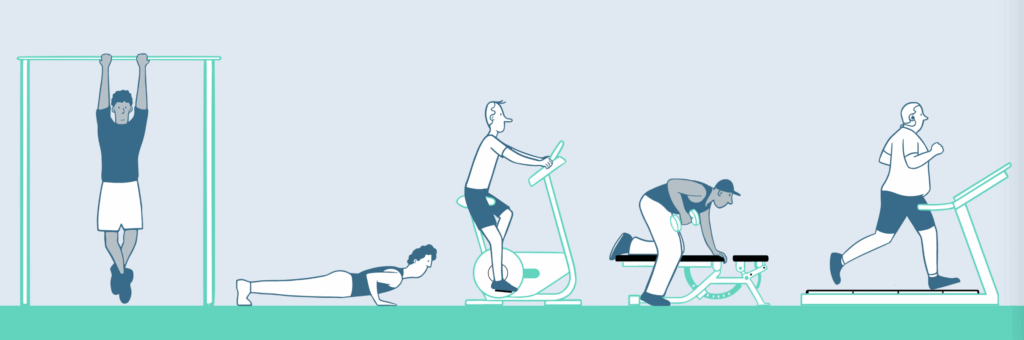
Exercise and physical activity are known to support both physical and mental wellbeing. In recent years, the spotlight has been turned on the positive effects of strength training in building and maintaining muscles and strengthening bones. This supports healthy ageing – and also has benefits for joint health in people with a bleeding disorder.
However, after decades of being told that physical activity can be dangerous, or simply because it’s new or feels a little daunting, many people living with bleeding disorders still feel nervous or unsure about exercising. This is understandable – but with increasingly effective treatments and the support and guidance of your care team, being physically active shouldn’t feel out of reach for people with bleeding disorders today.
With Project GYM, Haemnet showed that young men with haemophilia can undertake gym-based exercise safely. The young men who took part did strength training, participated in exercise classes, and took up swimming, among other forms of physical activity – and all of them told us what a positive impact this had had on their sense of wellbeing.
Powered by you
The role of UK National Fitness Day is to raise awareness of the importance of physical activity and to celebrate its role in supporting healthier lifestyles. The tagline this year is “Powered by you” – which we think is very important. Before exercising or undertaking any physical activity, it’s important to understand how much you can and can’t do, build up gradually, and work at a pace that best suits you. And of course, it’s always a good idea to check in with your care team for guidance.
Trisha White, one of the personal trainers who worked with us on Project GYM, helped us create a small library of resources designed to help people with bleeding disorders undertake strength training exercise safely. Whether you’re new to this type of exercise or simply want a refresher, Trish’s hints and tips provide guidance on strengthening and building your muscles effectively and safely. We hope you find them useful.
- Trish’s tips on strengthening and building muscles
- Haemophilia and working out (Project GYM video)
- Haemophilia: Advice for personal trainers (Project GYM video)
About the author
Kathryn Jenner is Communications and Community Manager at Haemnet Ltd.